It's a situation no professional driver ever wants to find themselves in.
You're following the route your sat nav has given you, thinking about the next delivery, the traffic ahead and getting home on time. As you approach a bridge, you suddenly spot a height restriction sign. You brake instinctively, but it's already too late. There's nowhere to turn around, nowhere to reverse safely, and within seconds you've become another bridge strike statistic.
Unfortunately, this isn't a rare occurrence. According to Network Rail, a vehicle strikes a rail bridge somewhere in Britain every five hours. While every incident causes disruption to the railway network, it's often the driver who faces the biggest personal consequences.
The good news is that most bridge strikes are completely preventable with better route planning and the right navigation equipment.
It's More Than Just a Damaged Vehicle
When people hear about bridge strikes, they often think about delayed trains and damaged bridges. But if you're the driver behind the wheel, your mind is probably elsewhere.
Your first thoughts are likely to be whether anyone has been hurt, how much damage you've caused and what happens next. Then come the practical concerns. Will the vehicle need recovering?
How long will you be stuck waiting? What happens to your delivery? Will your employer hold you responsible?
For owner-drivers, the pressure can be even greater. Every hour your vehicle is off the road means lost earnings, missed jobs and unhappy customers. Even if the damage appears minor, the knock-on effects can last for days or even weeks.
One Wrong Turn Can Become an Expensive Mistake
The financial impact of a bridge strike often goes far beyond repairing the vehicle.
Depending on the circumstances, strike costs can include vehicle repairs, recovery charges, insurance claims, higher premiums and the cost of missed deliveries. For drivers working for logistics companies, there may also be internal investigations and difficult conversations with employers.
At the same time, Network Rail may need to inspect the railway bridge before trains are allowed to continue. What began as one wrong turn can quickly disrupt thousands of passengers and countless other road users.
Why Do Bridge Strikes Keep Happening?
Many people assume bridge strikes happen because drivers ignore warning signs, but that's rarely the full story.
There are increasing numbers of drivers admitting they simply didn't know their vehicle height or were relying on a standard car sat nav that directed them onto an unsuitable road. Others had changed trailers, were carrying a different load than usual or were driving an unfamiliar vehicle.
Even experienced drivers can find themselves in this situation. By the time the traffic signs warning of a low bridge come into view, they may already be committed to the road ahead with no safe place to turn around.
One of the best examples is the Watling Street A5 railway bridge in Hinckley, Leicestershire, which has repeatedly been named Britain's most struck bridge. Despite prominent warning signs and years of awareness campaigns, vehicles continue to collide with it year after year. It proves that warning signs alone aren't always enough—drivers need the right information before they reach the bridge.
Why Route Planning Makes All the Difference
Every professional driver knows that a successful journey starts long before the engine is switched on.
Good route planning isn't just about finding the quickest route; it's about making sure the route is suitable for your vehicle. Height, weight and width restrictions all need to be considered before setting off.
The problem is that many navigation systems don't take bridges into account. Standard car sat navs are designed to get cars from A to B, not HGVs, vans or motorhomes carrying heavy or oversized loads.
That's where many drivers get caught out.
How the Snooper Truckmate Helps Prevent Bridge Strikes
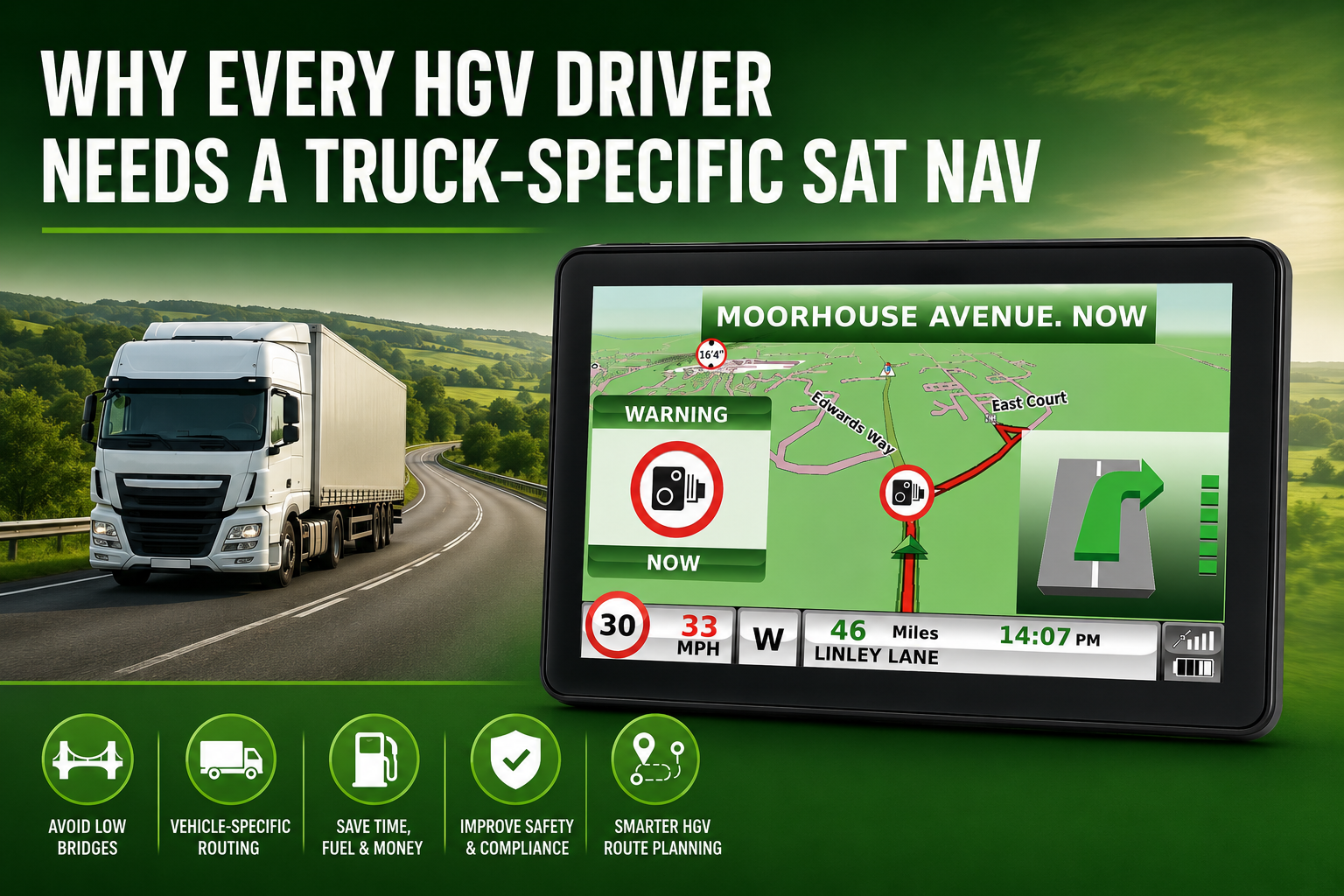
The Snooper Truckmate has been designed specifically for commercial vehicles, giving drivers confidence that their route is suitable before they even begin their journey.
By entering your vehicle's height, width, length and weight, the Truckmate calculates routes that avoid low bridges, weight restrictions and unsuitable roads. Instead of discovering a bridge that's too low when you're already committed to the road, you'll be guided along routes designed for your vehicle.
It's not just about avoiding bridge strikes either. Better navigation means fewer unexpected diversions, less stress on unfamiliar roads and greater confidence behind the wheel. Whether you're making local deliveries or travelling across the country, having a sat nav that understands commercial vehicles can make every journey smoother.
Protecting Your Livelihood
For professional drivers, your vehicle isn't just transport—it's your livelihood.
Every missed delivery, delayed collection or damaged vehicle has the potential to affect your income and reputation. For businesses and logistics companies, preventing bridge strikes also means keeping customers happy, reducing downtime and avoiding unnecessary repair bills.
Investing in the right navigation equipment is a small cost compared to the financial and emotional impact of a bridge strike.
Final Thoughts
No driver sets out expecting to be involved in a bridge strike. Yet every five hours, another vehicle collides with a rail bridge, turning what should have been a routine journey into an expensive and stressful experience. In many cases, it's not a lack of driving ability that causes the incident—it's a lack of the right information at the right time.
For professional drivers, the consequences can extend far beyond the initial impact. Lost earnings, delayed deliveries, vehicle repairs, insurance claims and the pressure of explaining what happened to an employer or customer can all take their toll. For owner-drivers and logistics companies, every hour off the road means lost productivity and unnecessary costs.
While no technology can replace careful driving or paying attention to traffic signs, using a sat nav that's built specifically for commercial vehicles can significantly reduce the risk of finding yourself in that situation. With vehicle-specific route planning that takes bridges into account, the Snooper Truckmate helps drivers avoid unsuitable roads before they become a problem, allowing them to focus on the journey ahead with greater confidence.
At the end of the day, a bridge strike isn't just about damaged infrastructure, it's about the real impact on the people behind the wheel. Investing in the right navigation isn't simply about getting from A to B; it's about protecting your vehicle, your livelihood and your peace of mind every time you set off.